Our Causes
The Problem We Address
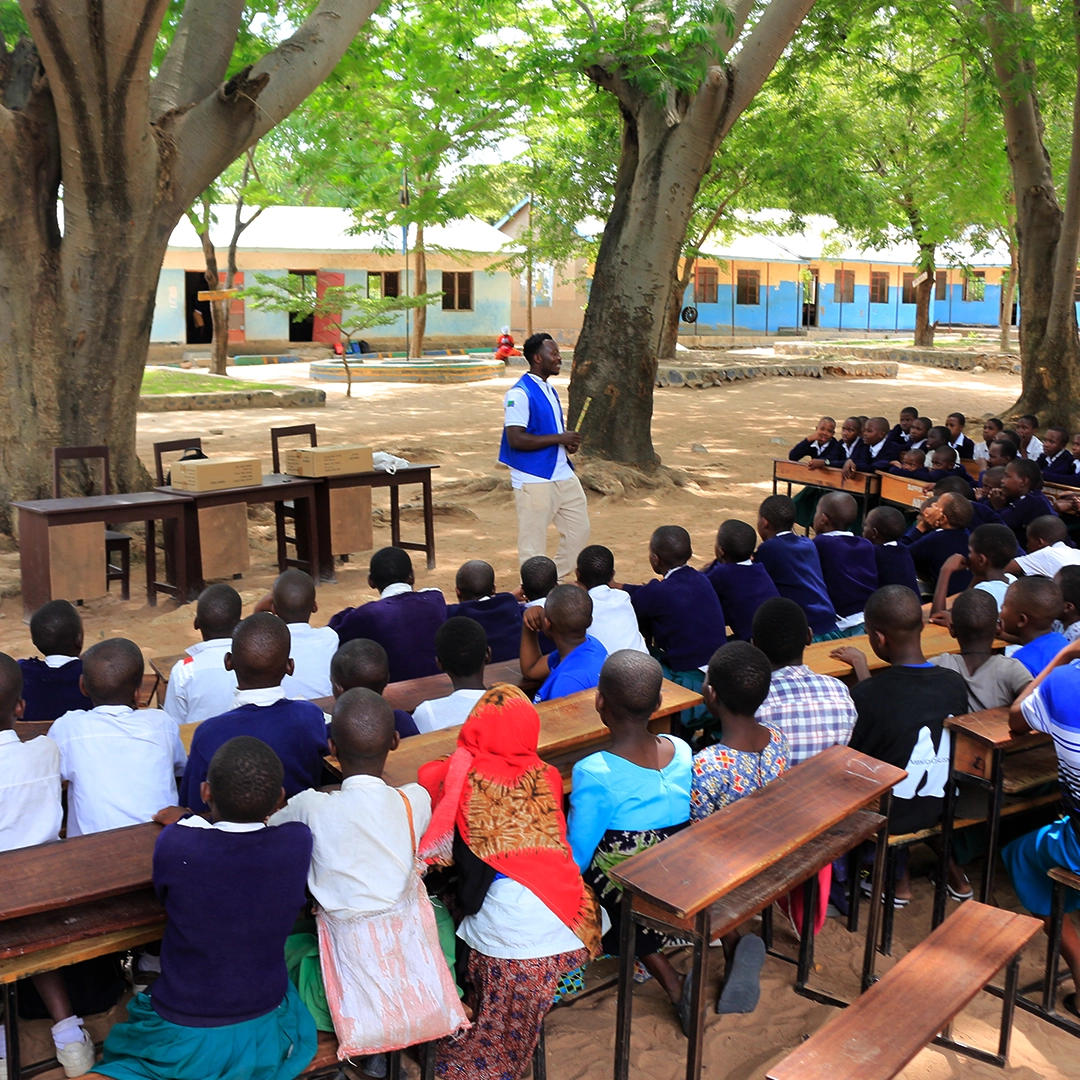
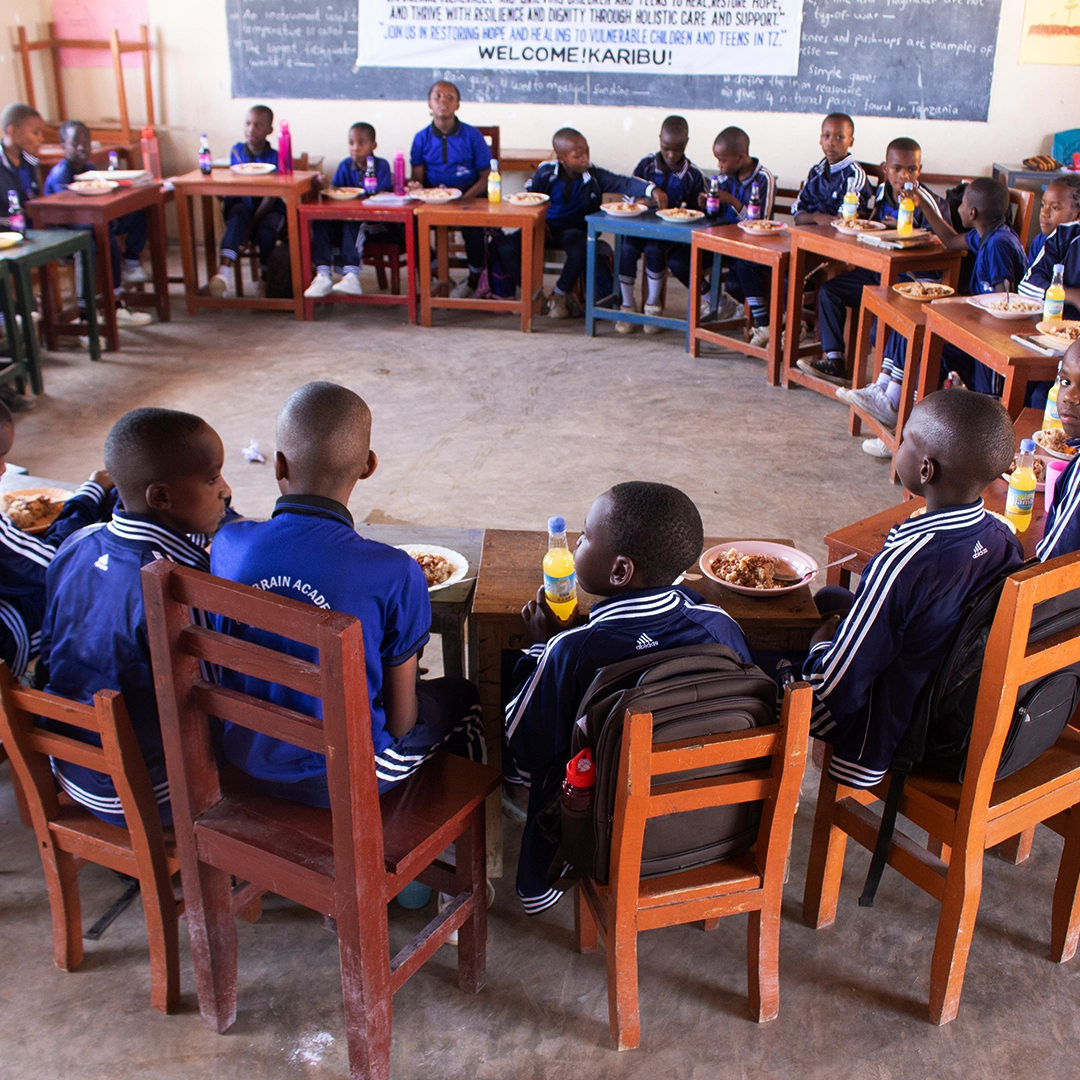
Grieving and vulnerable children and adolescents aged 8 and 18 years old in rural Magu District lack access to structured psychosocial support, safe spaces, and consistent integrated and holistic care systems to help them process loss, heal emotionally, and develop into stable, hopeful, self-reliant, and productive adults in their communities, nation, and the world.
Children and adolescents in rural Tanzania, particularly in Mwanza Region and districts such as Magu, face a high burden of grief, poverty, and limited access to psychosocial support, which severely undermines their well-being and future opportunities. Tanzania has over 14 million children under 18, and approximately 1.3 million are orphans, according to the National Bureau of Statistics Tanzania and UNICEF. In regions like Mwanza, where HIV/AIDS, accidents, and poverty-related deaths persist, many children experience early and repeated loss of caregivers. Poverty remains a major driver of vulnerability. Around 26% of Tanzanians live below the poverty line, with significantly higher rates in rural areas such as Magu (World Bank). This limits access to education, care, and protection, increasing children’s exposure to instability and neglect. At the same time, psychosocial support systems are extremely limited. The World Health Organization reports fewer than 1 psychiatrist per 100,000 people in Tanzania, with very limited child- and adolescent focused mental health services, especially in rural communities.
As a result, nearly 3 in 4 children experience emotional distress or violence before adulthood (UNICEF), increasing risks of depression, school dropout, child labor, and early marriage. In Magu District, weak child protection systems and cultural stigma around emotional expression leave grieving children and adolescents without safe spaces or continued structured support.